
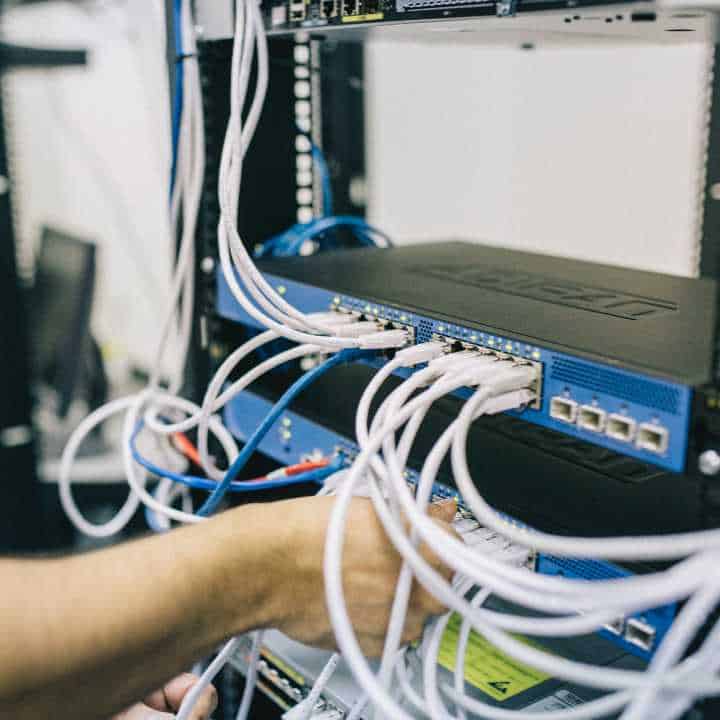
PVC cable systems are used across a wide range of sectors where reliable transmission of electricity and data is required. Thanks to their electrical insulation properties, durability and versatility, PVC cables are widely used in buildings, energy infrastructure, telecommunications networks, transport systems and industrial installations.
PVC cable materials can be formulated to meet different technical requirements, including flexibility, environmental resistance and fire safety performance, making them suitable for many installation conditions.
The main application areas include:
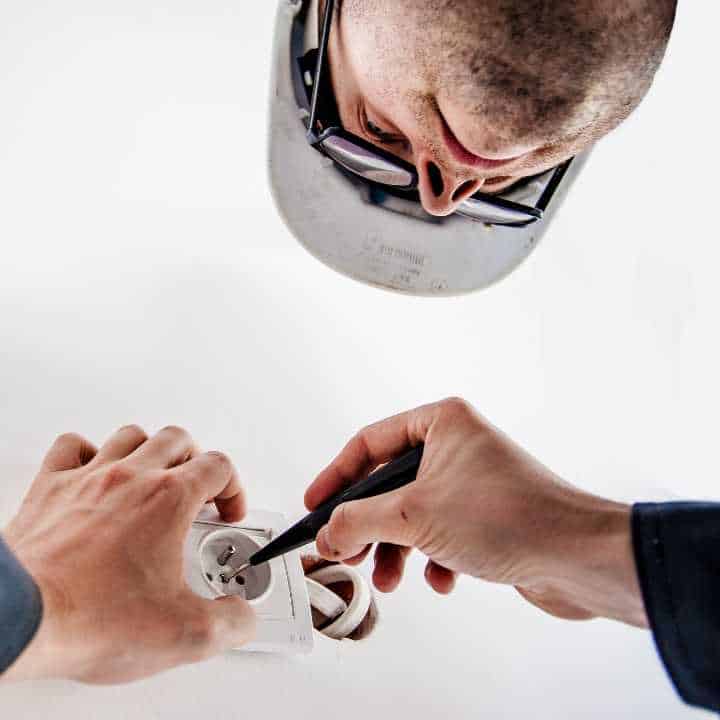
Building Installations
PVC cables are widely used in residential, commercial and public buildings for electrical wiring, lighting systems, appliances and building services.
Their electrical insulation, flexibility and durability make them suitable for installation in walls, floors and cable ducts, supporting safe and reliable power distribution within buildings.

Energy Distribution
PVC-insulated cables are used in energy networks for the transmission and distribution of electricity. These cables support the operation of power grids and local energy infrastructure in urban and industrial environments.
Their resistance to environmental exposure and mechanical stresses enables reliable performance in demanding installation conditions.


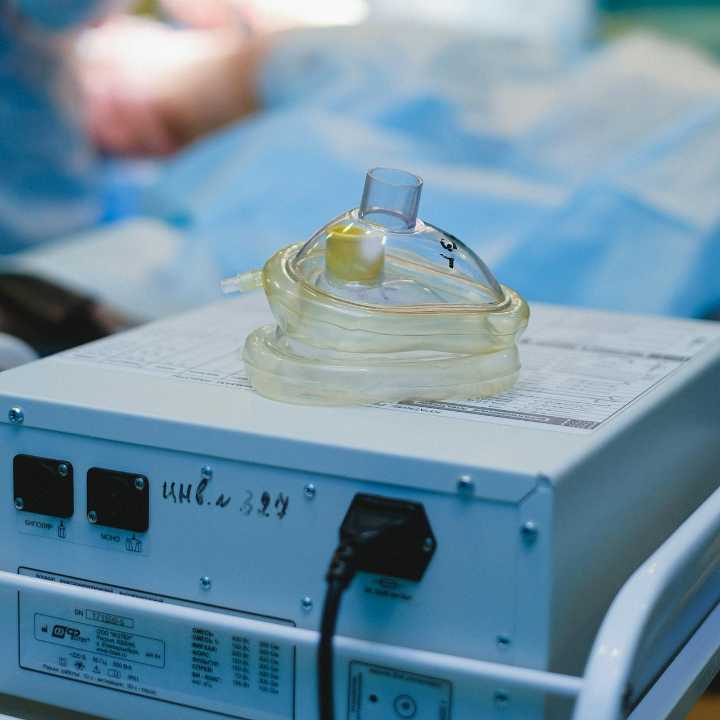
Healthcare

Where is PVC Used in Cables?
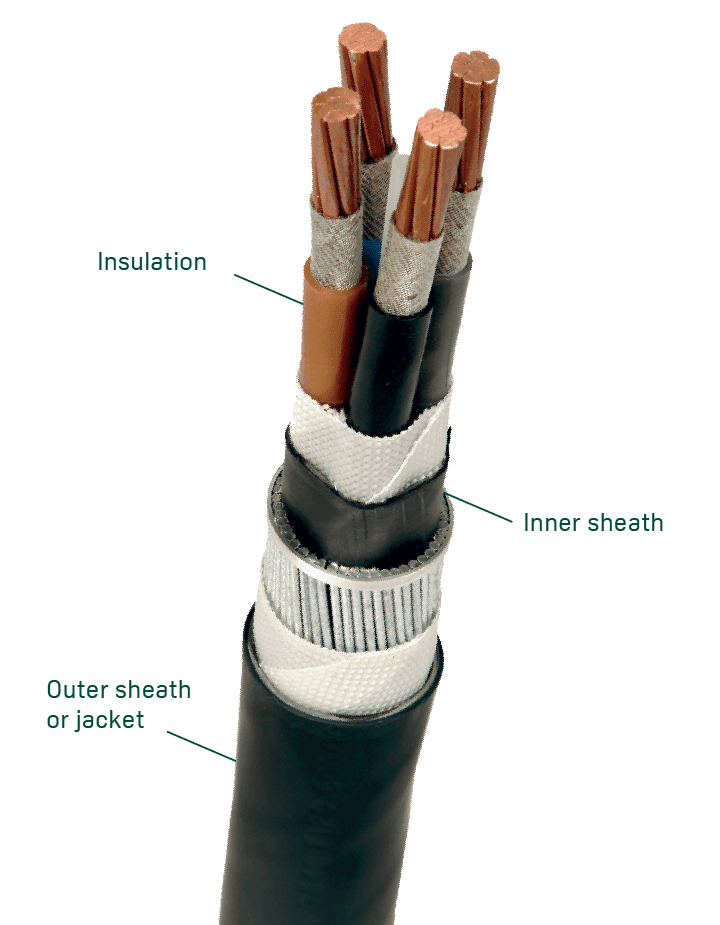
PVC is used in different layers of a cable, each contributing to safety, durability and performance:
- Insulation – ensures safe and reliable electrical performance
- Sheathing – protects against mechanical and environmental stress
- Outer sheath – provides durability and overall system integrity
PVC Cables in Everyday Life
PVC cables are present throughout modern buildings and everyday technologies. This interactive map shows how PVC cables are used across a typical home, from power distribution and lighting to internet connectivity and electronic devices.