
PVC cables play a key role in enabling a circular economy by combining long service life, efficient material use and strong recycling potential.
Designed for durability and performance, PVC cables often remain in use for decades. This long lifespan reduces the need for frequent replacement and ensures efficient use of resources over time.
At end-of-life, PVC cables can be recovered, separated and recycled into new applications, contributing to a more resource-efficient and circular value chain. Through VinylPlus Cables, the European PVC cable value chain is developing advanced sorting and recycling technologies to manage legacy additives.
PVC Cable Recycling
PVC cables are mechanically recyclable and supported by well-established collection and treatment systems across Europe.
At end-of-life, cable recycling typically follows two main routes:
1. WEEE and ELV
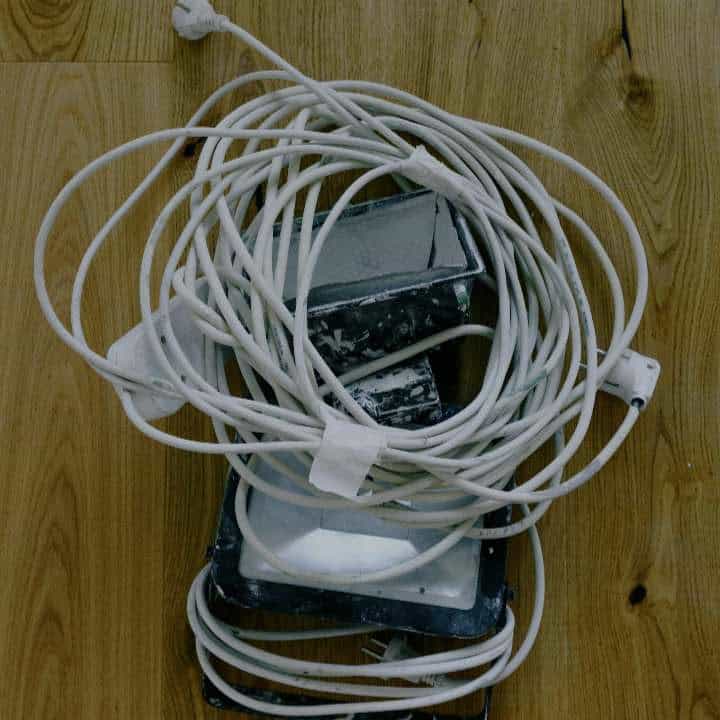
Cables from electrical equipment and vehicles are managed under the WEEE and ELV Directives. These frameworks ensure high recovery and recycling rates, where cables are collected, treated and processed as part of larger waste streams.
2. VinylPlus
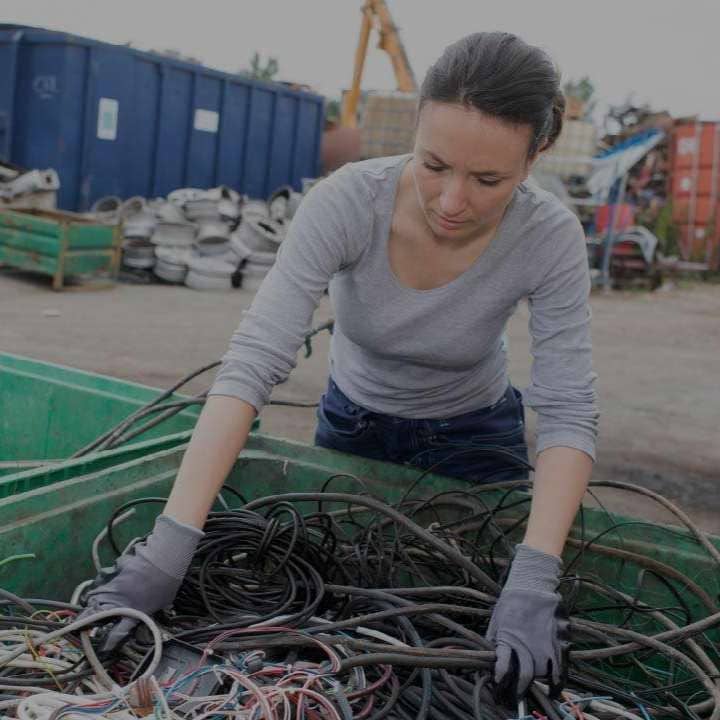
Cables not subject to the WEEE and ELV directives, such as electric cables for power transmission and data transmission cables. This kind of end-of-life PVC cables is recycled within VinylPlus®, the European PVC industry’s Commitment to sustainable development. Thanks to VinylPlus’ collection and recycling schemes, almost 1.8 million tonnes of PVC from cables were recycled since 2000. This is equivalent to around 3.6 million tonnes of CO₂ emissions.
The PVC Cable Recycling Process
Recovery
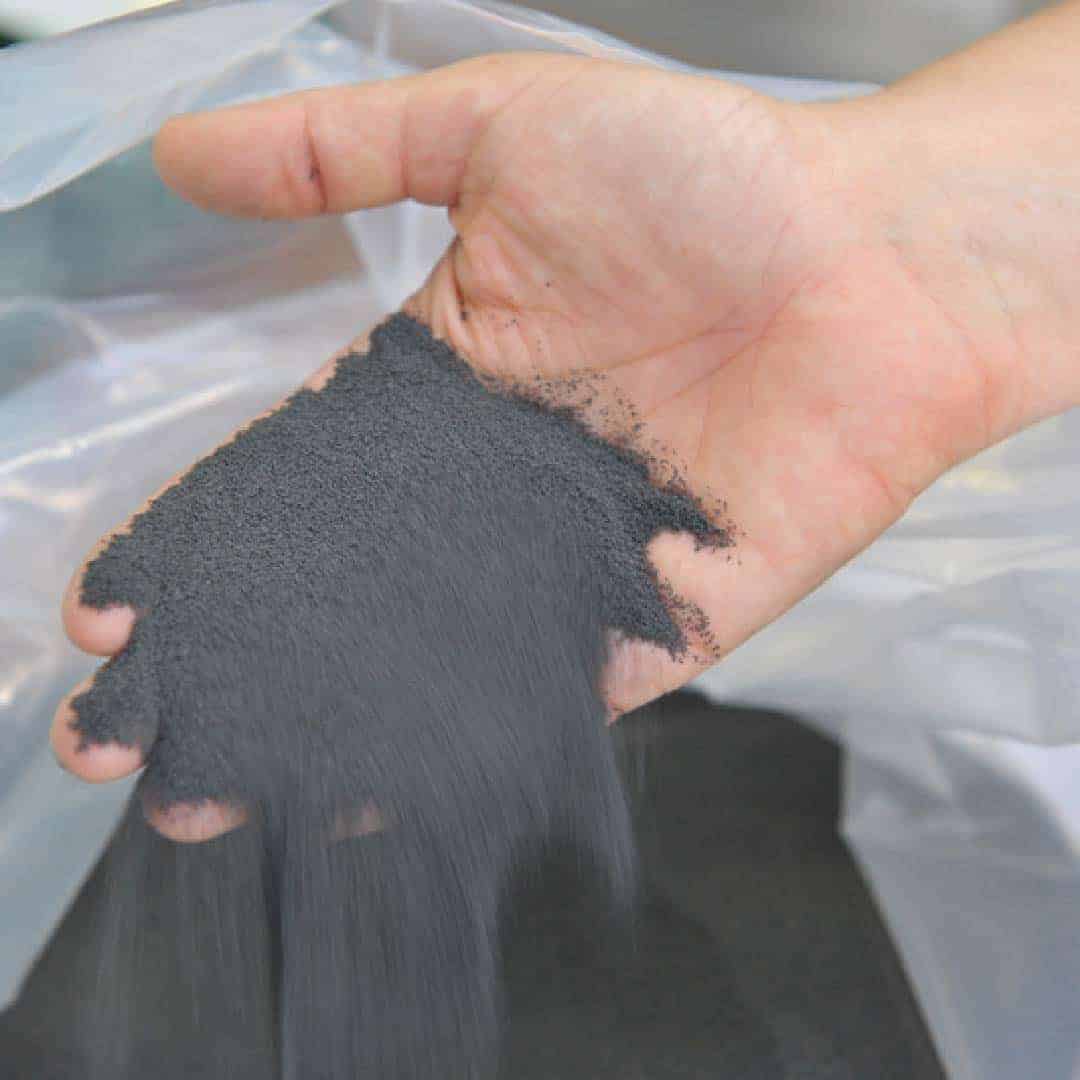
Micronisation

Use of Recycled PVC
Benefits of PVC Cable Recycling
European Circularity

Climate Action
Advanced Sorting and Recycling Technologies
To further increase circularity, the European PVC cable value chain is investing in advanced technologies that complement mechanical recycling:
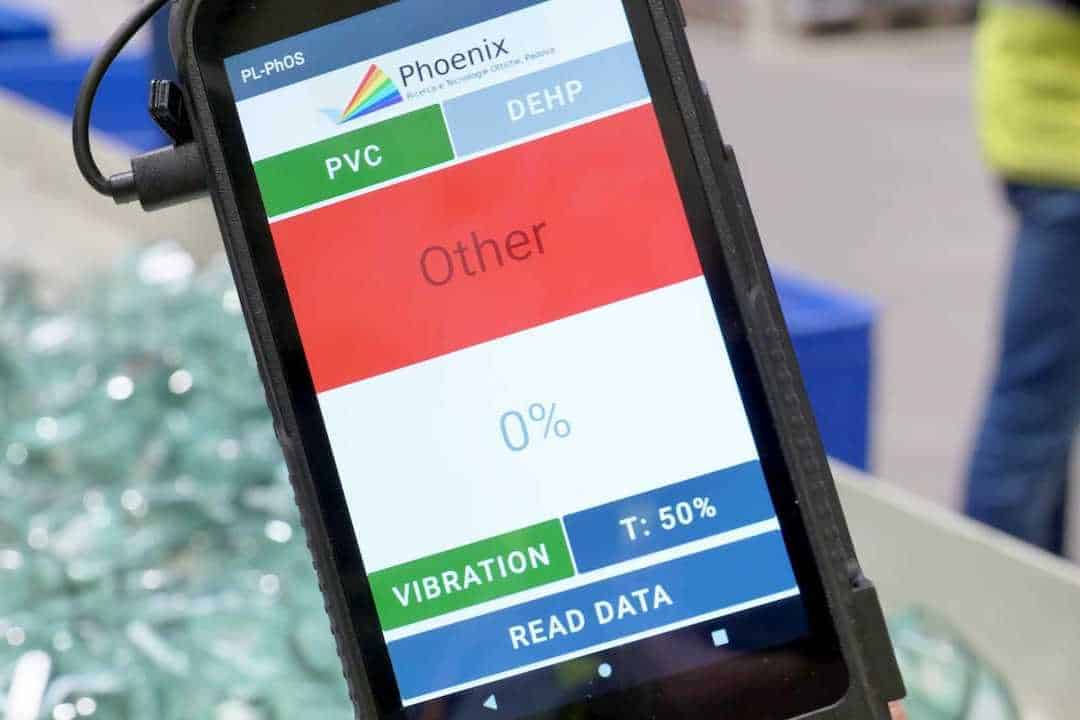
Sorting
Advanced detection systems such as X-ray fluorescence (XRF) and near-infrared (NIR) enable precise identification of PVC formulations. This allows separation of material streams, including those containing legacy additives such as lead and MCCPs, improving recyclate quality.
The European PVC cable value chain, through VinylPlus Cables, is actively supporting the development of these technologies, including pilot projects aimed at integrating detection systems into continuous and inline sorting processes.
Advanced Recycling
Dissolution (Physical Recycling)
Selective dissolution removes legacy additives such as certain stabilisers and plasticisers, delivering high-quality, REACH-compliant recycled PVC without breaking down the polymer.
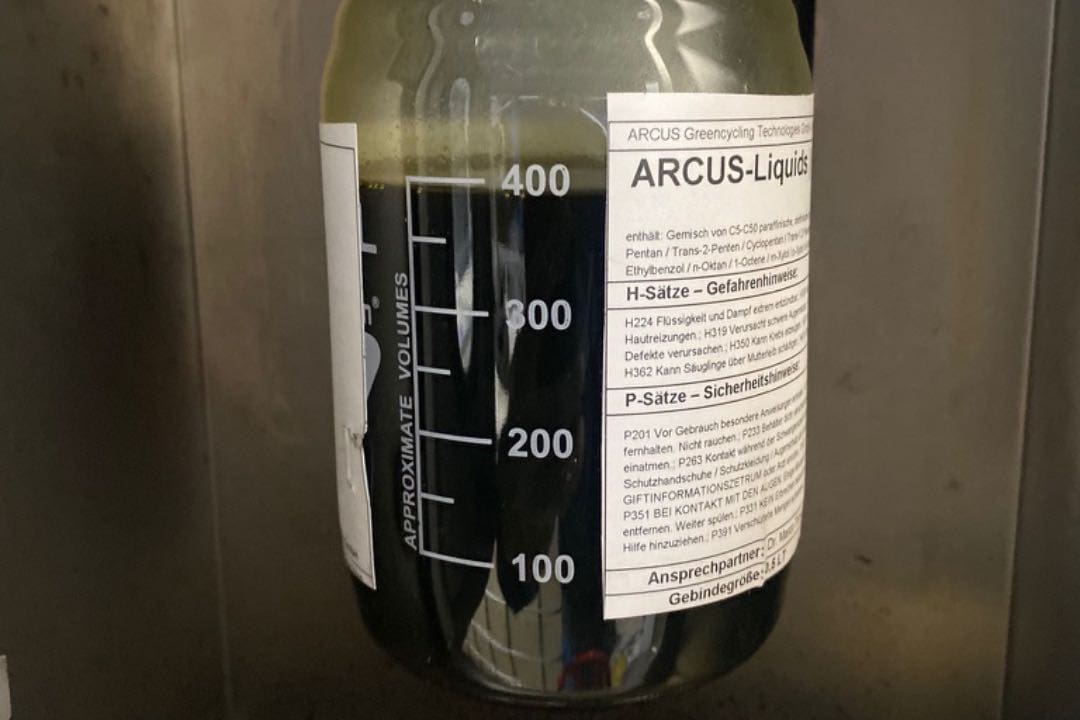
Pyrolysis & Gasification (Chemical Recycling)
Mixed or complex waste streams can be processed into secondary raw materials such as oils, syngas and recovered chlorine, supporting resource efficiency where mechanical recycling is not feasible. Industrial-scale pyrolysis trials have demonstrated that PVC cable waste, including material containing lead, can be used as feedstock without compromising output quality.
Chlorine Recovery (Chemical Recycling)
In energy recovery processes, chlorine from PVC can be captured and reused in industrial applications, contributing to circular resource use.
From Durability to Circularity
Older PVC cable waste can contain additives that are no longer used in new products. The presence of these legacy additives—such as lead, DEHP and, in the future, MCCPs—remains one of the main challenges for recycling PVC cables.
At the same time, evolving EU regulatory requirements have created uncertainty in the market. In the short term, this has contributed to a decline in PVC cable recycling, as recyclers increasingly require well-sorted and compliant material streams.
To address this, the European PVC value chain, through VinylPlus Cables, is actively advancing:
- detection and sorting technologies to separate legacy materials
- recycling processes capable of treating complex waste streams
- solutions enabling safe and compliant use of recycled PVC
As these technologies mature and legacy additives gradually disappear from the waste stream, recycling rates are expected to increase again.
Importantly, this challenge is closely linked to one of PVC’s key strengths: durability. PVC cables are designed for long service lives, meaning that recyclable material becomes available gradually over time.
As infrastructure is renewed and waste volumes increase, the European recycling ecosystem is scaling up to capture and process these materials more efficiently.
Together, these developments demonstrate how PVC cables combine durability with circularity—keeping valuable resources in use while adapting to evolving regulatory and performance requirements.