
PVC cable systems are widely used in energy distribution, telecommunications, buildings and industrial applications. They are designed for long service life, often remaining in use for several decades before entering the waste phase.
Compared to short-life products, cable waste arises gradually through renovation, upgrading of infrastructure, and replacement of electrical systems. At end of life, PVC cables can be recycled, or where necessary, treated in modern waste-to-energy facilities under strict environmental controls.
Collection and Recovery of Cable Waste
PVC cable waste mainly arises from:
- Renovation of electrical and communication infrastructure
- Replacement of building installations
- Industrial dismantling and upgrades
- End-of-life electrical and electronic equipment (WEEE)
- End-of-life vehicles (ELV)
Across Europe, established systems under the VinylPlus® framework ensure that cable waste is collected and directed to appropriate treatment routes.
Cables from WEEE and ELV streams are managed under dedicated EU legislation, ensuring high recovery rates and separation of valuable materials such as copper and plastics.
Recycling of PVC Cables
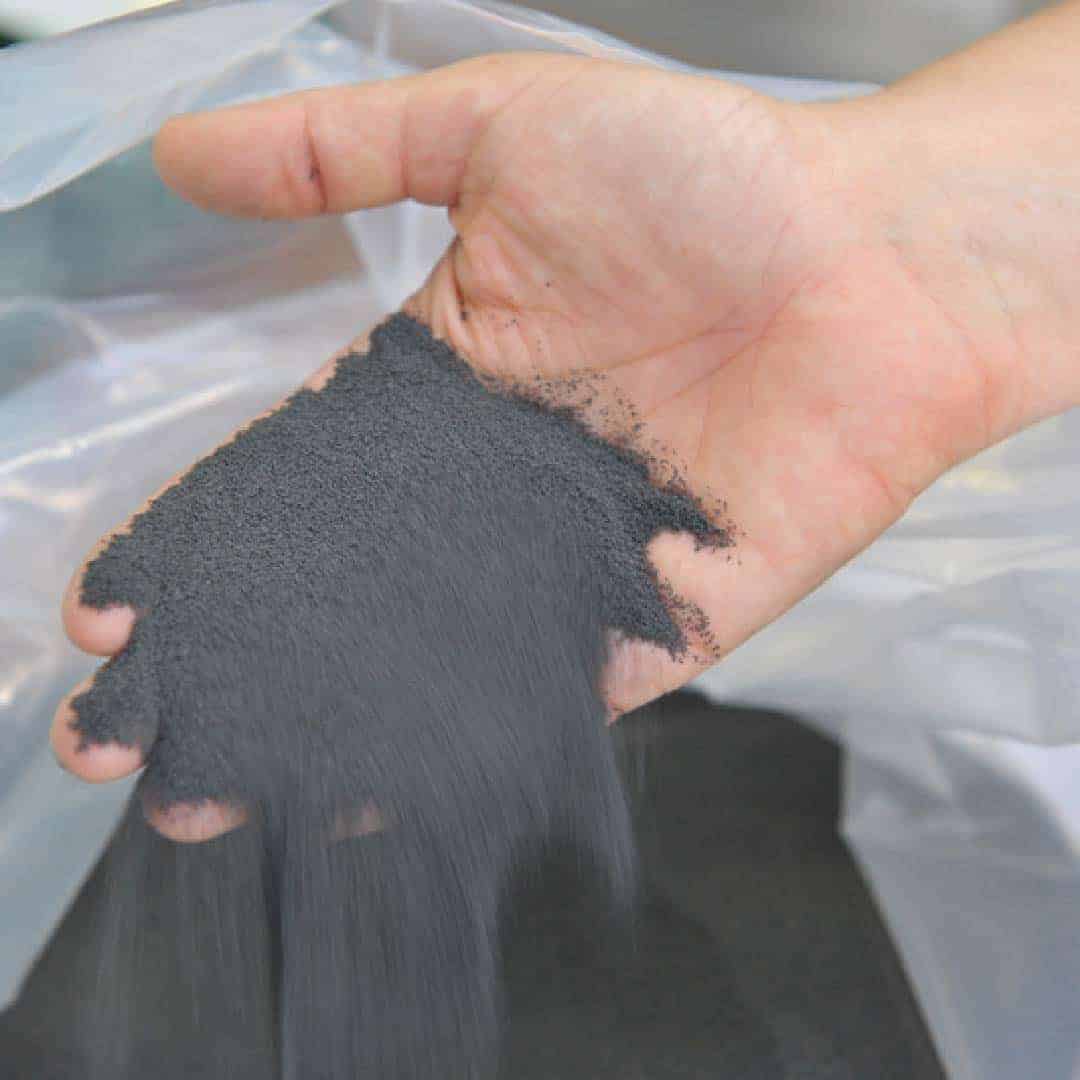
PVC cables can be mechanically recycled through well-established processes.
At end-of-life, recycling typically involves:
- Recovery of cables and separation of metal conductors
- Shredding and micronisation of polymer fractions
- Sorting of PVC materials
- Processing into recycled PVC for use in new applications
Recycled PVC from cables is used in a wide range of products, including construction materials and industrial applications.
Mechanical recycling preserves the material’s value and reduces the need for virgin raw materials, contributing to resource efficiency.
Managing Complex Waste Streams
Cable waste is inherently more complex than rigid construction materials due to the combination of polymers, metals and additives used in cable systems. This applies across all cable types, not only PVC-based materials.
This complexity arises from:
- Mixed polymer compositions
- Presence of plasticisers and stabilisers
- Multi-layer and flexible constructions
- Variations in formulations across applications and time
As a result, cable recycling requires advanced treatment approaches.
The European PVC cable value chain is addressing this through:
- Improved collection and pre-sorting systems
- Advanced identification technologies such as NIR and XRF, enabling precise detection of different PVC formulations, including those containing legacy additives
- Development of recycling processes adapted to flexible and mixed PVC streams
These approaches enable targeted separation of material streams and support the safe and efficient management of legacy additives within controlled recycling systems.
Complementary Recycling Technologies
To expand the range of recoverable PVC cable waste, additional technologies are being developed alongside mechanical recycling.
These include:
Dissolution (physical recycling): Separates PVC from other materials while enabling the extraction or reduction of legacy additives, delivering high-quality recycled PVC.
Chemical recycling: Converts complex waste into secondary raw materials such as oils, syngas and recovered chlorine.
Chlorine recovery: Captures chlorine during treatment for reuse in industrial processes.
Together, these approaches complement mechanical recycling and enable the treatment of complex waste streams, including materials containing legacy additives.
Waste-to-Energy for Non-Recyclable PVC
Where recycling is not technically or economically feasible, PVC cable waste can be treated in modern waste-to-energy facilities.
These facilities operate under the Industrial Emissions Directive and ensure controlled combustion conditions, advanced flue gas cleaning, and strict emission limits and monitoring.
The European Chemicals Agency (ECHA) has concluded that emissions such as dioxins and furans are primarily determined by combustion conditions and flue gas treatment, rather than the chlorine content of waste.
From Durability to Circularity
The long service life of PVC cables reduces waste generation and supports efficient use of resources.
At the same time, it means that some end-of-life cables contain legacy additives that are no longer used in new products. Managing these materials responsibly is essential for maintaining safe and circular material flows.
Through VinylPlus Cables, the European PVC cable value chain is working to:
- Improve sorting and separation of legacy materials
- Develop recycling technologies capable of treating complex waste streams
- Enable the safe and compliant use of recycled PVC
As infrastructure is renewed and technologies continue to develop, recycling rates are expected to increase, reinforcing the circular use of PVC in cable applications.