
PVC cables are used across a wide range of transport applications, including rail systems, road infrastructure and vehicles.
They support electrical systems, signalling and communication equipment essential for the safe and efficient operation of modern mobility networks.
PVC cable systems are applied in rail infrastructure, traffic management systems, electric vehicle components and on-board wiring, where reliability, durability and consistent performance under demanding conditions are required.

Key Reasons to Choose PVC Cables for Mobility
Regulatory Context for Charger Cables
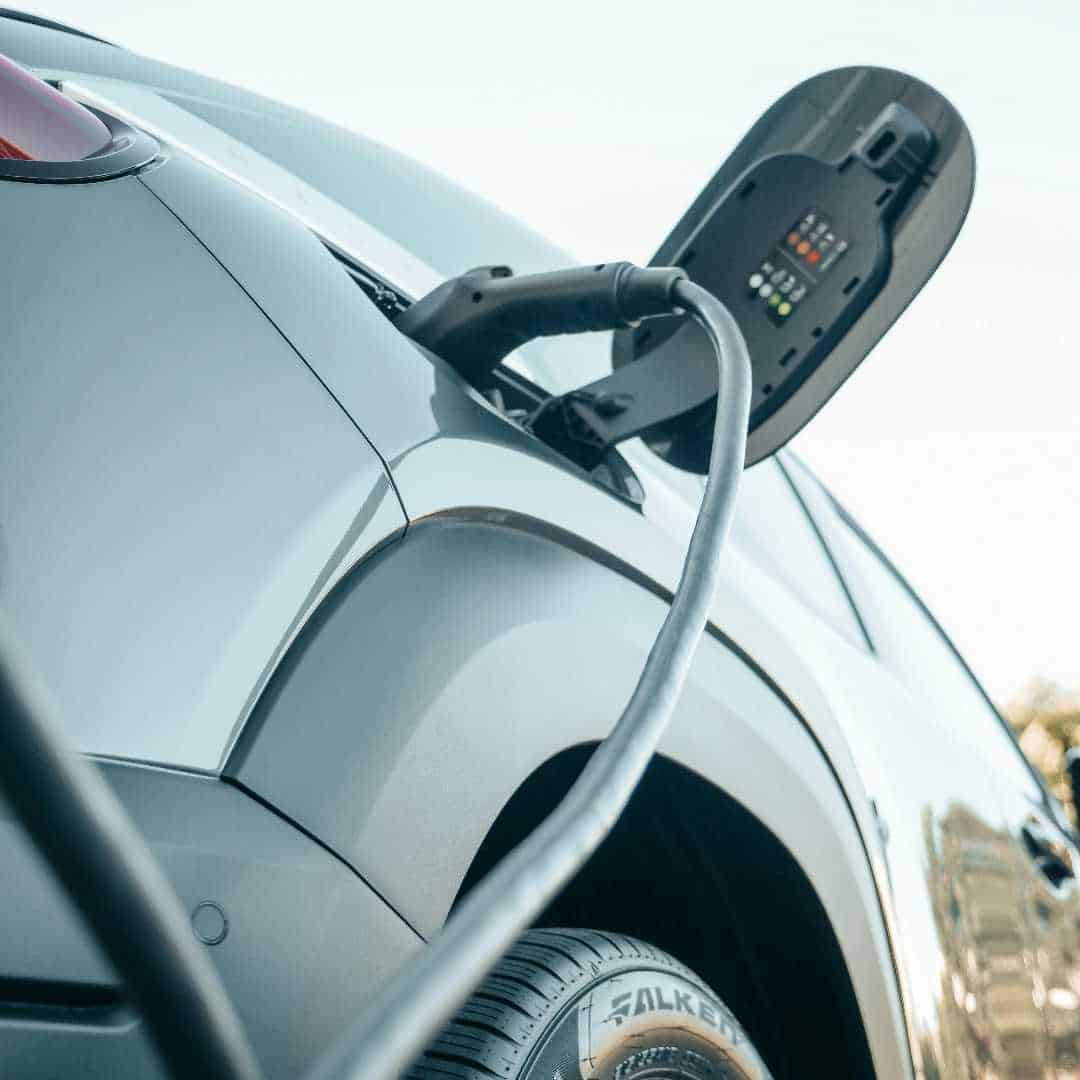
In Europe, certain applications such as electric vehicle charging cables are covered by specific standards (e.g. EN 50620), which currently require halogen-free materials. As a result, PVC is not included in these cases, despite its well-established performance in other cable applications.
In cable design, material selection involves balancing multiple performance requirements. Some halogen-free formulations rely on flame retardant systems that may influence properties such as electrical conductivity, which can require specific allowances within standards to meet performance thresholds.
Different regions apply different technical approaches. In the United States, standards such as UL 62 allow the use of PVC in charging cables. Similar approaches can also be found in other markets, including South Korea, where PVC remains part of the cable system landscape.
This illustrates that focusing on a single parameter, such as halogen-free status, may introduce trade-offs in other areas of performance. A comprehensive assessment should therefore consider the full range of technical requirements.